Squarespace vs Hatrio: Why Template Builders Are Holding Your Business Back in 2026
You chose Squarespace because it looked beautiful. Now you're wondering why your traffic is flatlining and your site still looks exactly like everyone else's. Let's talk about what's actually happening.
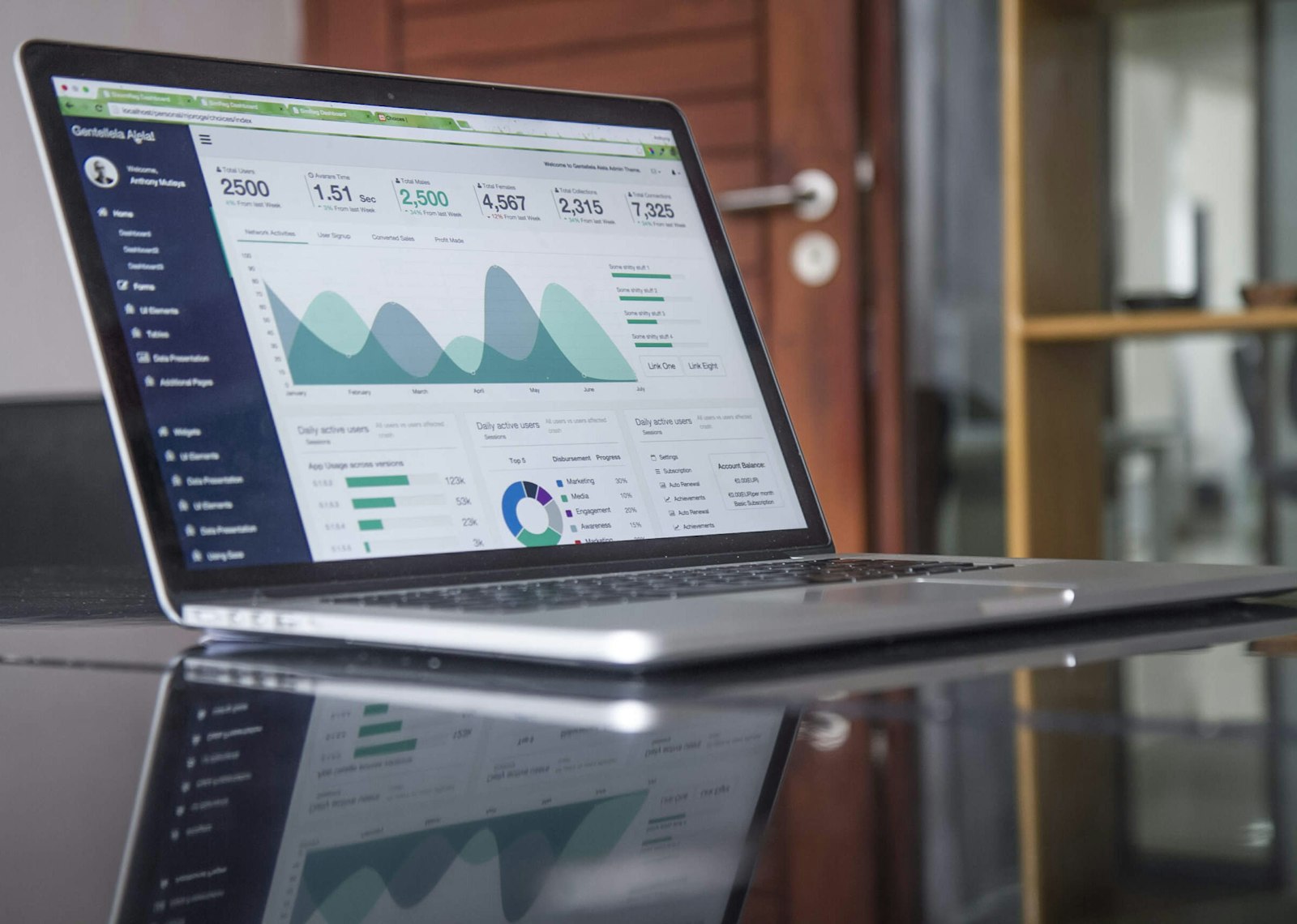
Start your free trial with Hatrio today
Build high-converting websites, generate brand-aligned blog pipelines, and scale your online business effortlessly.
The Beautiful Trap
Squarespace is genuinely gorgeous out of the box. The templates are polished, the onboarding is smooth, and for about 48 hours you feel like a design genius. Then reality hits.
Your blog has 12 posts. Your traffic is 200 sessions a month. Your site looks identical to 400,000 other Squarespace sites. And adding a new page still requires you to manually open a browser, drag blocks around, write copy, find images, and publish - one. page. at. a. time.
This is the beautiful trap of template-based website builders. They optimize for launch speed and visual aesthetics, not for growth. And in 2026, if your web platform isn't actively working to grow your organic presence, it's passively killing it.
This post is a no-BS breakdown of what Squarespace actually gives you, where it fundamentally breaks down at scale, and why a new class of autonomous AI web platforms like Hatrio are transforming how founders and creators build for the web.

What Squarespace Actually Does Well
Let's be fair. Squarespace genuinely excels in a few specific scenarios:
- Small business portfolios - photographers, designers, and consultants who need a presentable online brochure. It works.
- Simple e-commerce - selling fewer than ~50 products with basic inventory needs. Squarespace Commerce is clean.
- Event pages and landing pages - one-off campaigns where SEO isn't the goal.
- Non-technical users - people who have zero coding background and just need something live fast.
For these use cases? Squarespace is a perfectly valid choice. It's affordable, reliable, and requires almost no technical knowledge.
The problem begins the moment your ambitions outgrow a digital business card.
Where Squarespace Completely Falls Apart
1. SEO Is an Afterthought, Not Architecture
Squarespace gives you a meta description field and calls it an SEO tool. That's not SEO - that's the bare minimum to not be completely invisible.
Real SEO in 2026 requires:
- Programmatic content at scale - hundreds or thousands of topic-targeted pages
- Intelligent internal linking structures that signal topical authority to Google
- Structured data / schema markup on every relevant page
- Consistent content velocity - publishing frequently enough to signal freshness
- Semantic keyword clustering across your entire content architecture
Squarespace does none of this programmatically. Every single piece of content requires manual human input. At scale, that's not a workflow - it's a bottleneck.
2. Template Lock-In Is Real
Changing your Squarespace template isn't like updating a theme. It's closer to rebuilding your site. Content doesn't always migrate cleanly, custom CSS breaks, and you're starting the design process from scratch.
This creates a perverse incentive: don't change anything, even when change is exactly what you need.
3. No Custom Automation or AI Pipelines
Squarespace has no concept of autonomous agents, content pipelines, or AI-driven workflows. You can connect Zapier for basic automations, but there is no native intelligence layer that can research a topic, generate optimized content, build internal links, and publish - automatically.
This is the 2026 gap. The platforms that are winning are the ones where the platform itself does growth work on your behalf.
4. Performance Ceilings
Squarespace sites are not known for blazing Core Web Vitals scores. Shared infrastructure, heavy JavaScript, and bloated template assets create performance ceilings that independent audits consistently flag. And in 2026, Google's ranking signals are heavily weighted toward page experience metrics.
The Deeper Problem: You're Doing All the Work
Here's what nobody says in the Squarespace marketing materials: the platform is just a container. You're the engine.
You're still responsible for:
- Keyword research
- Writing every word of every page
- Formatting and uploading every image
- Building your internal link structure by hand
- Figuring out your site architecture
- Staying consistent with publishing cadence
Squarespace gives you a pretty room. You're still expected to furnish it, clean it, and redecorate it every single week.
Autonomous AI platforms like Hatrio flip this model. The platform takes on the operational labor of web growth. You define the strategy and brand direction - the AI executes the research, content creation, publishing, linking, and optimization at a scale no human team can match.
If you want to understand how this works at a technical level, check out our deep dive into programmatic SEO automation and how AI scales organic traffic.
Who Should Still Use Squarespace?
Honestly? If you're a solo freelancer who needs a portfolio page and has zero growth ambitions beyond looking professional online, Squarespace is a fine tool. Don't overthink it.
But if you are:
- A SaaS founder trying to build organic traffic to reduce CAC
- A content creator or media brand trying to build a sustainable SEO moat
- A startup that needs a scalable web presence without hiring a 5-person content team
- A marketer who understands that organic search is the highest ROI channel long-term
...then you've already outgrown Squarespace. The question isn't whether to switch - it's when.
The 2026 Reality Check
The internet in 2026 is brutally competitive. Google processes over 8.5 billion searches per day. The brands winning organic search aren't the ones with the prettiest templates - they're the ones publishing the most authoritative, topically relevant content at the highest velocity.
Squarespace was built for a world where having a website was the goal. We live in a world now where your website is supposed to be your best-performing growth channel - running 24/7, building authority, attracting leads, and compounding value over time.
That requires infrastructure that thinks, not just infrastructure that displays.
Start your online business growth today.
Automate your organic search rankings and publish high-quality content on autopilot.
Related Articles
Explore more strategic insights and guides.
How to Launch a Profitable Micro-SaaS in 30 Days with Zero Venture Capital
A step-by-step strategic blueprint for solo founders and creators to bootstrap, validate, and scale their Micro-SaaS without external funding.
Programmatic SEO for Startups: How to Scale Organic Traffic Without a Full Team in 2026
Build a content engine that generates thousands of indexed, revenue-driving pages — no developer, no agency, no budget waste.

How We Use AI to Automate 80% of Customer Operations
Discover the step-by-step strategy for automating the majority of customer operations using AI-powered workflows — all without writing a single line of code. Learn how Hatrio enables solo founders and creators to scale efficiently.